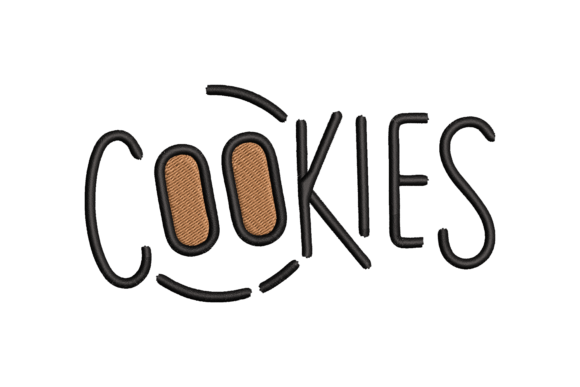
Cookies
A Sweet Addition to Your Embroidery Toolkit
As a designer who’s stitched through countless projects, I always approach a new embroidery design with a mix of curiosity and skepticism. Cookies is no exception. At first glance, it exudes warmth, comfort, and a touch of nostalgia—perfect for those who appreciate the charm of everyday things made special. The design feels like a cozy kitchen scene, inviting and familiar, which makes it immediately relatable.
The First Impression: A Mood of Comfort and Craftsmanship
Looking at Cookies, I’m struck by its soft, rounded shapes and gentle curves. It doesn’t shout for attention, but it certainly whispers elegance. The layout is balanced, with a central focus that draws the eye naturally. There’s a subtle play of light and shadow in the shading, giving the design a three-dimensional quality without being too intricate.
This kind of visual personality fits well with projects that aim to evoke warmth and familiarity. Think about a custom apparel piece, like a sweatshirt or a toiletry bag, where the design can add a personal touch without overwhelming the overall look. It also has potential as a personalized gift—a pillow cover or a holiday ornament that brings a sense of joy to any space.
Real-World Application: Testing Cookies in Practical Projects
I imagined using Cookies on a toile bag for a local boutique. The design would sit nicely against the fabric, adding a playful yet refined element. However, I also considered how it might perform in different scenarios. For instance, on a thin fabric like cotton lawn, the design might require careful stitching to maintain clarity. On a dark background, the contrast between thread colors and the fabric could become less pronounced, potentially affecting the design’s visibility.
Cookies is also an excellent candidate for commercial embroidery. Its simplicity allows it to scale well across various product types—from embroidered patches to kitchen towels—without losing its charm. But there are nuances to consider. For example, when working with curved surfaces like caps or hat bands, the design’s flow must be checked to ensure it doesn’t distort or stretch unexpectedly.
Design Considerations for Different Fabric Types
- Textured fabrics: The raised areas of Cookies may stand out more on rougher materials, which can be either a benefit or a drawback depending on the desired effect.
- Stretchy fabrics: While the design itself isn’t overly detailed, it still requires proper stabilizer use to prevent puckering or shifting during stitching.
- Dark fabrics: A test run on a black or navy background is essential to see how the design holds up in low-contrast settings.
- Layered garments: If the design is intended for a layered project, such as a blanket or nursery decor, ensure that the stitch density and thread color remain consistent across all layers.
Practical Design Notes for Embroidery Professionals
Before committing to a full project, I recommend testing Cookies on scrap fabric. This gives you a chance to evaluate the stitch density, thread color contrast, and how the design interacts with your chosen fabric type. Additionally, reviewing the hoop size is crucial—especially if you’re planning to sell the design commercially or use it in a digital embroidery file.
For Etsy sellers and small shop owners, it’s important to confirm licensing details before selling finished products or digital files. Also, consider creating printable mockups to showcase the design on various items, helping customers visualize how it will look in real life.
Enhancing Visual Appeal and Brand Consistency
Cookies has the potential to elevate both handmade products and commercial embroidery projects. Its clean lines and warm tones make it versatile enough to fit into a wide range of branding styles. Whether you're creating a craft business line of applique designs or a set of holiday embroidery items, the design can help reinforce brand identity without overpowering it.
From a customer perspective, Cookies adds a layer of giftability and personalization. It's not just a design—it's a story. People connect with it because it feels familiar, yet unique. This emotional connection can increase buyer engagement and build trust in your brand.
Final Thoughts: A Thoughtful Choice for the Right Project
In conclusion, Cookies is a well-crafted embroidery design that offers both aesthetic appeal and practical value. It’s ideal for personalized gifts, custom apparel, and small shop merchandise that needs to balance charm with clarity. While it may not be the most complex design, its simplicity is its strength, making it a great choice for those looking to create something meaningful without sacrificing quality.
As with any design, success depends on how well it aligns with the final product. Always test, review, and refine before taking the plunge. With the right preparation, Cookies can become a standout feature in your embroidery project portfolio.